Plan a local campaign landing page before buying traffic
Create a local campaign page with a matching offer, genuine service-area detail and clear enquiry handling. Includes a practical campaign brief.
 Robert TicknerWeb designer, Melbourne
On this page
An ad promises one service. The click lands on a Home page with six different offers. The visitor now has to find the information the ad seemed ready to provide.
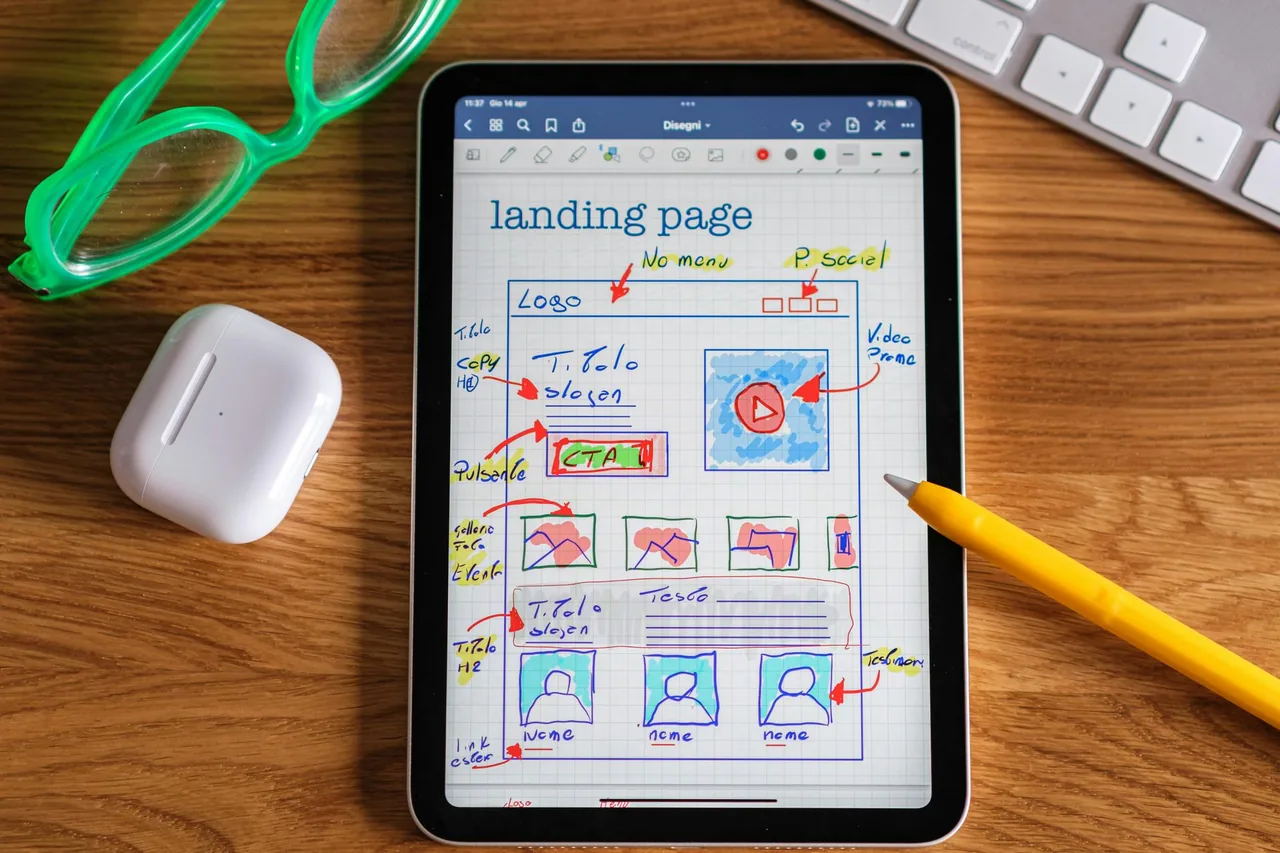
A local campaign page can close that gap. It gives a specific audience the relevant offer and next step. The useful work starts with the campaign brief, before you spend money sending people to the page.
Connect the message to the destination
Write down the offer, audience and source of the visit. A page for an email promotion may need different context from a page for someone comparing an unfamiliar service through an ad.
Keep the headline consistent with the promise that led to the click. Explain eligibility, inclusions and important limits. The website copy guide helps turn a short ad promise into a useful service explanation.
For a permanent service page, use the enquiry-page guide. A campaign page has a narrower job and may need an end date or a different offer after the campaign finishes.
Use real local detail
Describe the service area the business actually covers. Include practical information that affects the customer, such as travel limits, availability for a particular service or where an appointment takes place.
An illustrative mobile service advertising in Melbourne’s west should explain whether the offer applies across its whole coverage area. Repeating suburb names does not settle that question.
The local customer path guide connects this information with the wider website. The local SEO guide explains why a campaign page and a Google Business Profile have different roles.
Decide what happens after the enquiry
Ask for the information needed to assess the campaign offer. Keep the first form short enough to complete, while collecting the service and location details the business needs.
State the next step accurately. “Request a quote” should not silently become a paid booking. Confirm who receives the form, who responds and whether the business can handle the likely enquiry timing.
The persuasive design guide helps make those expectations visible. A clear offer is more useful than a countdown or scarcity message that the business cannot justify.
Complete a one-page campaign brief
On a small screen, scroll the table to view every column.
| Brief item | Question to answer |
|---|---|
| Offer | What exactly is being promoted? |
| Audience | Which customer and genuine service area? |
| Arrival context | What will the ad, email or link say? |
| Evidence | Which approved photo, review or process supports this offer? |
| Action | Quote request, call or booking? |
| Follow-up | Who responds and what happens next? |
| Finish | What happens to the page when the campaign ends? |
Use this brief when discussing the page with the designer and the person running the campaign. It prevents the website, advertising and response process from making different promises.
Check before traffic arrives
Read the page on a phone, test the contact route and confirm the offer details. The mobile website guide gives you task-based checks. Use the launch checklist for delivery, links and deployment settings.
Agree on the tracking approach before launch. Use consistent campaign labels and keep customer contact details out of tracking URLs. Record useful enquiries separately from all submissions so the report reflects the work you actually want.
If you change the offer, update the page and the advertisement together. Do not compare two periods as if only the page changed when the audience or campaign budget also changed.
Keep the campaign focused
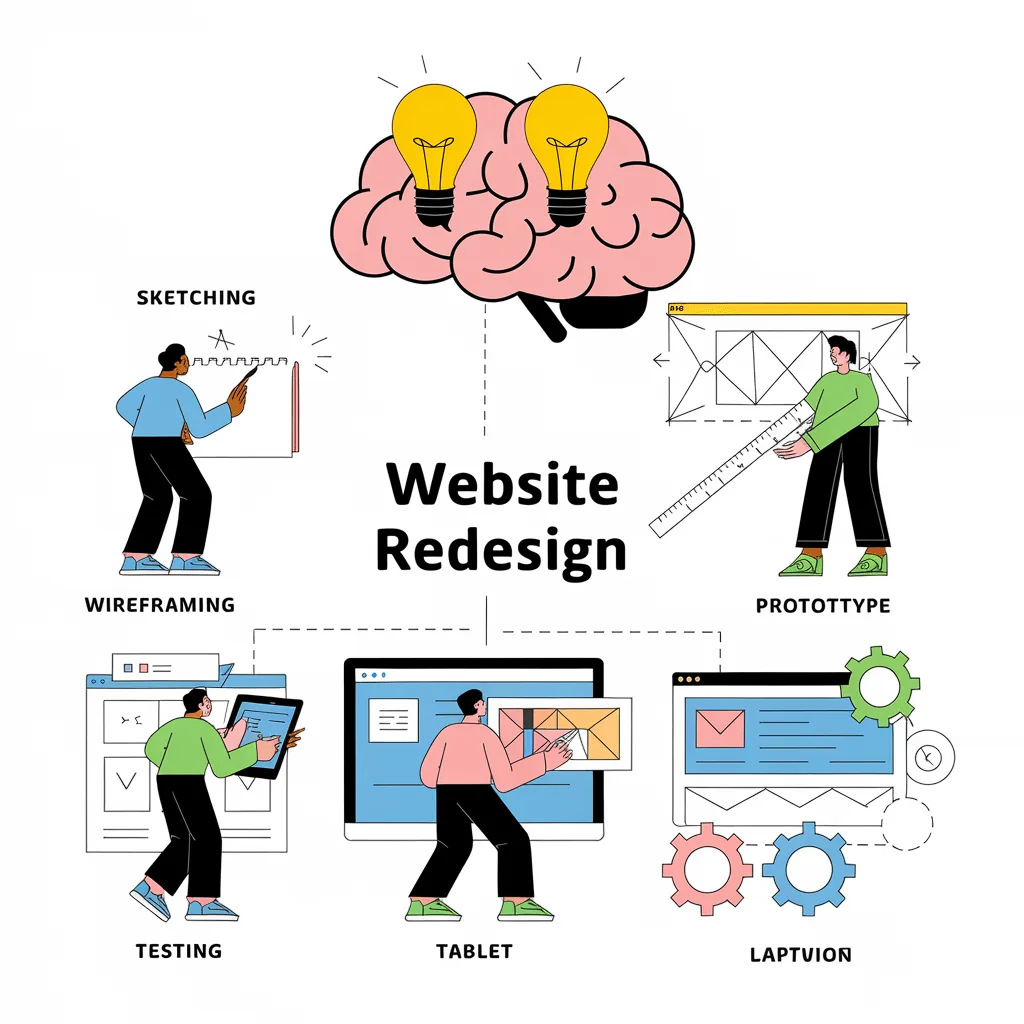
Choose one useful offer and a response process the business can support. If the wider website needs work first, the redesign plan can help set priorities before you add another page.
Our small business website service can scope a campaign page and its enquiry requirements. Bring the brief and the planned traffic source so the page has a clear job from the start.
Robert Tickner
Founder and web designer, Web Design Studio Melbourne
Robert works directly with small businesses on website design, content structure and local SEO. His approach starts with the business offer and the customer’s next step.
First published .
Prepared with AI assistance. Examples labelled illustrative are not client results.