Does your Melbourne business need a custom website?
Compare a simple website with a custom build through five practical decisions: services, branding, content, features and ongoing editing.
 Robert TicknerWeb designer, Melbourne
On this page
A custom website is useful when your business needs more control over how its services, content and features work together. That does not mean every small business needs a large or expensive build.
The better question is what a simpler website would leave unresolved. Use these five decisions to work out whether a custom brief earns its place, or whether a focused AI-assisted site gives you what you need.
1. Do your services need different page structures?
A business with one straightforward offer may explain it well on a few clear pages. A business with several audiences, detailed services or a longer sales process may need different layouts and information paths.
For example, an illustrative recruitment business could serve both employers and job seekers. Those visitors need different questions answered and different contact forms. Treating them as one audience makes the page harder to use.
List your main audiences, their questions and their next actions. The Home page structure guide helps organise the introduction, while the website feature checklist identifies requirements that need their own scope. Custom design should respond to those needs rather than add decoration for its own sake.
2. Does your brand need a clearer design brief?
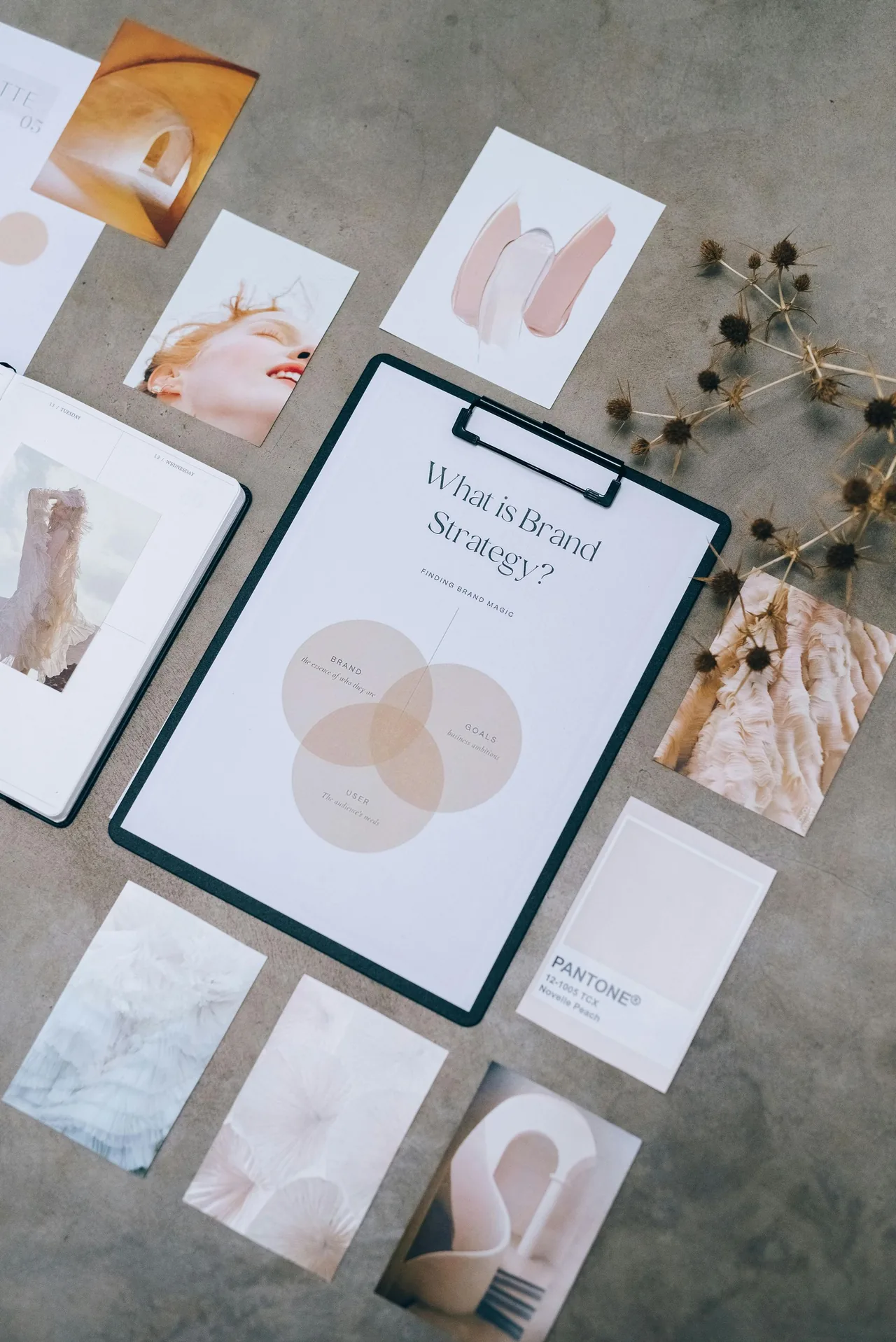
A logo and a favourite colour are a start. They do not decide the type hierarchy, image style, page spacing or tone of the copy. A custom brief can connect those choices across the whole website.
Use the brand-to-website worksheet to translate your business identity into practical decisions. The colour guide explains how to use a palette without relying on broad claims about what a colour makes people feel. The typography guide covers readability and a repeatable text hierarchy.
Your existing brand may already provide enough direction for a simpler build. If the business is changing its positioning or combining several services, allow time to settle the brief before designing the pages.
3. What proof do customers need before they enquire?
Some services need little explanation. Others require project examples, a clear process, staff information or answers to questions about suitability. A custom layout can make that evidence easier to find and compare.
The evidence still has to come from the business. A new design cannot create genuine testimonials, project outcomes or qualifications. The professional web presence guide explains how to present real business details, and the branding consistency checks help keep those details aligned across the site.
For ideas, look at the client website examples guide and the completed websites. These are examples of presentation and layout. They do not establish which design produced more sales.
4. Which features change the scope?
Bookings, payments, customer logins and other integrations need more detail than a list of buttons. State what a customer can do, what the business needs to receive and which existing tools are involved.
The website integration brief helps describe those workflows. A custom appearance does not automatically include custom functionality, and a platform with a booking feature may still need configuration or separate fees.
Ask the designer to confirm feature availability, limits and costs before the build. If a future feature is only an idea, keep it on a later-stage list instead of adding it to the first launch without a clear purpose.
5. Who needs to edit the site after launch?
An editor is valuable if you want to change text, photos or agreed pages yourself. A managed website suits a business that prefers sending updates through. Decide which arrangement fits your working week.
At this studio, Core costs $549 once off plus $59/month and includes an editor. Starter AI costs $199 once off plus $39/month and has no CMS login. Local Essentials costs $249/month and includes a FREE website build or website refresh, with local SEO. Typical AI build time is 24–48 hours; a Core custom build takes about a week once your brief and content are ready. The website cost guide explains the full comparison.
On a small screen, scroll the table to view every column.
| Decision | Simpler AI-assisted website | Custom brief with Core |
|---|---|---|
| Main need | A focused online presence | More detailed brand and page requirements |
| Editing | No CMS login on Starter AI | Editor for agreed content |
| Production | AI assistance with designer guidance | Design and structure based on the brief |
| Extra features | Assessed and quoted separately | Assessed and quoted separately |
Neither route guarantees enquiries or rankings. Both need clear services, useful content, mobile checks and a working contact process.
Choose the brief that fits the business
If your page structure, brand requirements or editing needs justify more detailed work, discuss our custom website design service. If the essential pages are straightforward, AI-powered web design may suit the brief.
You do not need to make that decision alone. Send Robert your main services and website requirements, and we can compare the two approaches against the work your site needs to do.
Robert Tickner
Founder and web designer, Web Design Studio Melbourne
Robert works directly with small businesses on website design, content structure and local SEO. His approach starts with the business offer and the customer’s next step.
First published .
Prepared with AI assistance. Examples labelled illustrative are not client results.